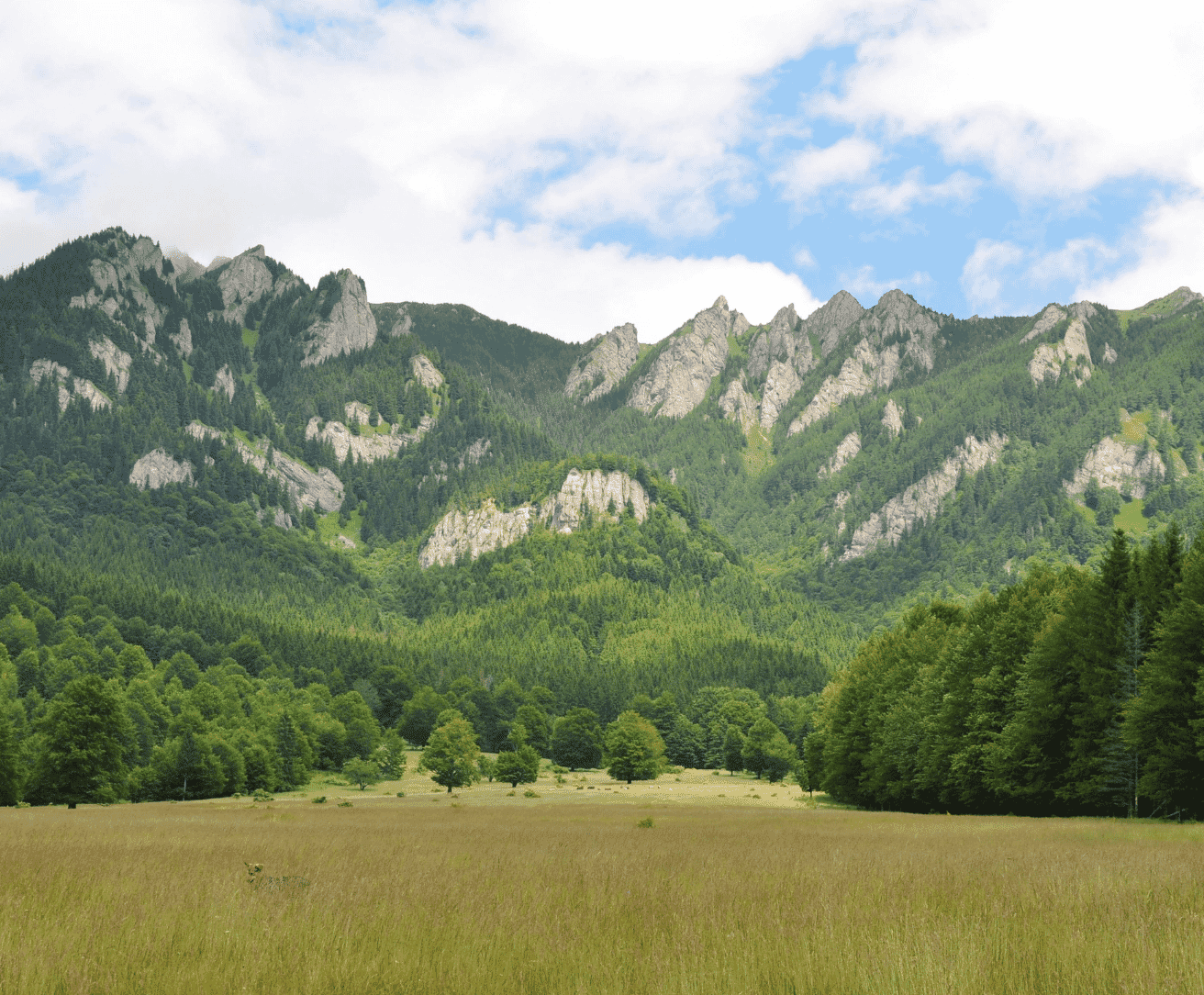
Nature Policy in Europe | Balancing Biodiversity, Climate Action, Energy Transition, and Agriculture
August 20, 2025

The tension is not about whether biodiversity matters – it’s about how to balance multiple priorities in a finite landscape, and with finite resources
Why the Natura 2000 network matters
Natura 2000 was established under the Birds Directive (1979) and Habitats Directive (1992) to protect Europe’s most sensitive ecosystems. Forests, wetlands, peatlands, and other natural habitats absorb and store CO₂ – making them critical allies in climate change mitigation. The European Commission notes that nature restoration is ‘a pivotal form of climate action,’ especially given that 80% of Europe’s natural habitats are currently in poor condition.
But as climate change accelerates, the EU must rapidly deploy renewable energy, expand grid infrastructure, and rethink agricultural practices – all of which place new pressures on land use, including within and around Natura 2000 sites.
Nature as a climate solution
Natural ecosystems within Natura 2000 – forests, wetlands, peatlands – act as major carbon sinks. Their degradation releases stored carbon, exacerbating climate change, while healthy ecosystems help regulate water, reduce flood risk, and support climate adaptation.
Climate change as a threat to Natura 2000
Climate change itself threatens the very species and habitats Natura 2000 was designed to protect. A major EU‑commissioned assessment highlights the need for measures that increase ecological resilience and facilitate species movement across landscapes as temperatures rise and weather patterns shift.
This creates a paradox: Europe must both protect Natura 2000 sites, while at the same time ensuring they can adapt to a rapidly changing climate.
Renewable energy expansion: conflict or co‑existence?
The EU’s energy transition requires large‑scale deployment of wind, solar, hydropower, and grid infrastructure. But these developments can intersect with Natura 2000 sites in complex ways:
- Wind farms may pose collision risks for birds and bats.
- Hydropower can alter river ecosystems.
- Solar parks may compete with agricultural or semi‑natural land.
- Grid expansion can fragment habitats or disturb sensitive species.
Research shows that ecosystems within Natura 2000 sites provide essential regulating services – including carbon storage and water management – that must be considered when planning energy infrastructure .
The challenge is not whether renewable energy should expand, but how to deploy it without undermining the ecological foundations of climate resilience.
Agriculture and Natura 2000
Agriculture remains one of the most significant pressures on Natura 2000 sites. A 2025 study highlights how agricultural practices – including intensification, land conversion, and pesticide use – continue to threaten protected habitats and species within the network.
At the same time, farmers operating within Natura 2000 areas often face additional constraints and management requirements. EU guidance emphasises the need to support Natura 2000‑compatible farming systems that maintain conservation objectives while sustaining rural livelihoods.
As the EU reforms the Common Agricultural Policy (CAP) and pushes for climate‑smart farming, the debate intensifies: How can agriculture remain productive while meeting the ecological goals embedded in Natura 2000?
Why the debate is intensifying now
Three major policy agendas are converging:
- The European Green Deal
The EU’s climate neutrality target for 2050 requires rapid renewable energy deployment and large‑scale ecosystem restoration.
- The Nature Restoration Law
This new legislation aims to restore degraded ecosystems – many within Natura 2000 – adding new obligations for Member States.
- Food security and agricultural reform
Geopolitical instability and climate impacts are driving calls for more flexible agricultural production, sometimes in tension with conservation goals.
As a result, Natura 2000 is not just a conservation tool, but is becoming a battleground for Europe’s environmental, energy, and agricultural priorities.
Moving forward
The emerging consensus among scientists and policymakers is clear: Europe cannot afford to treat biodiversity protection, climate action, renewable energy expansion, and agricultural productivity as competing agendas.
Instead, the future lies in integrated land‑use planning, where:
- Renewable energy is sited and designed to minimise ecological impact.
- Natura 2000 sites are managed to enhance climate resilience.
- Agriculture transitions toward nature‑positive practices.
- Restoration efforts strengthen both biodiversity and carbon storage.
This approach requires better data, stronger cross‑sector collaboration, and long‑term planning that recognises the interconnectedness of Europe’s environmental challenges.
What this means for metals and minerals value chains
For stakeholders across Europe’s metal and mineral value chains, the intensifying debate around Natura 2000 is a signal of structural change in how land, resources, and ecosystems are likely to be governed going forward. Mining companies, processors, and downstream manufacturers face growing scrutiny over how extraction and infrastructure intersect with protected habitats, carbon‑rich ecosystems, and climate‑sensitive landscapes. As the EU accelerates renewable energy deployment and electrification, demand for critical raw materials will increase pressure on land already constrained by conservation and agricultural needs. This means companies must anticipate tighter permitting conditions, more rigorous biodiversity assessments, and stronger expectations for nature‑positive operations. Those who invest early in ecological risk mapping, responsible sourcing, habitat restoration partnerships, and transparent reporting will be better positioned to secure access to land, maintain regulatory compliance, and protect supply chain resilience in a rapidly shifting policy environment. Get in touch to discuss how TDi can help integrate biodiversity into your risk management strategy and build future business resilience.