Reflections on the 2026 Mining Indaba | Team TDi Roundup
February 12, 2026







#TeamTDi Highlights for Mining Indaba 2026
- Development of a series of 9 podcasts in the lead up to Mining Indaba 2026
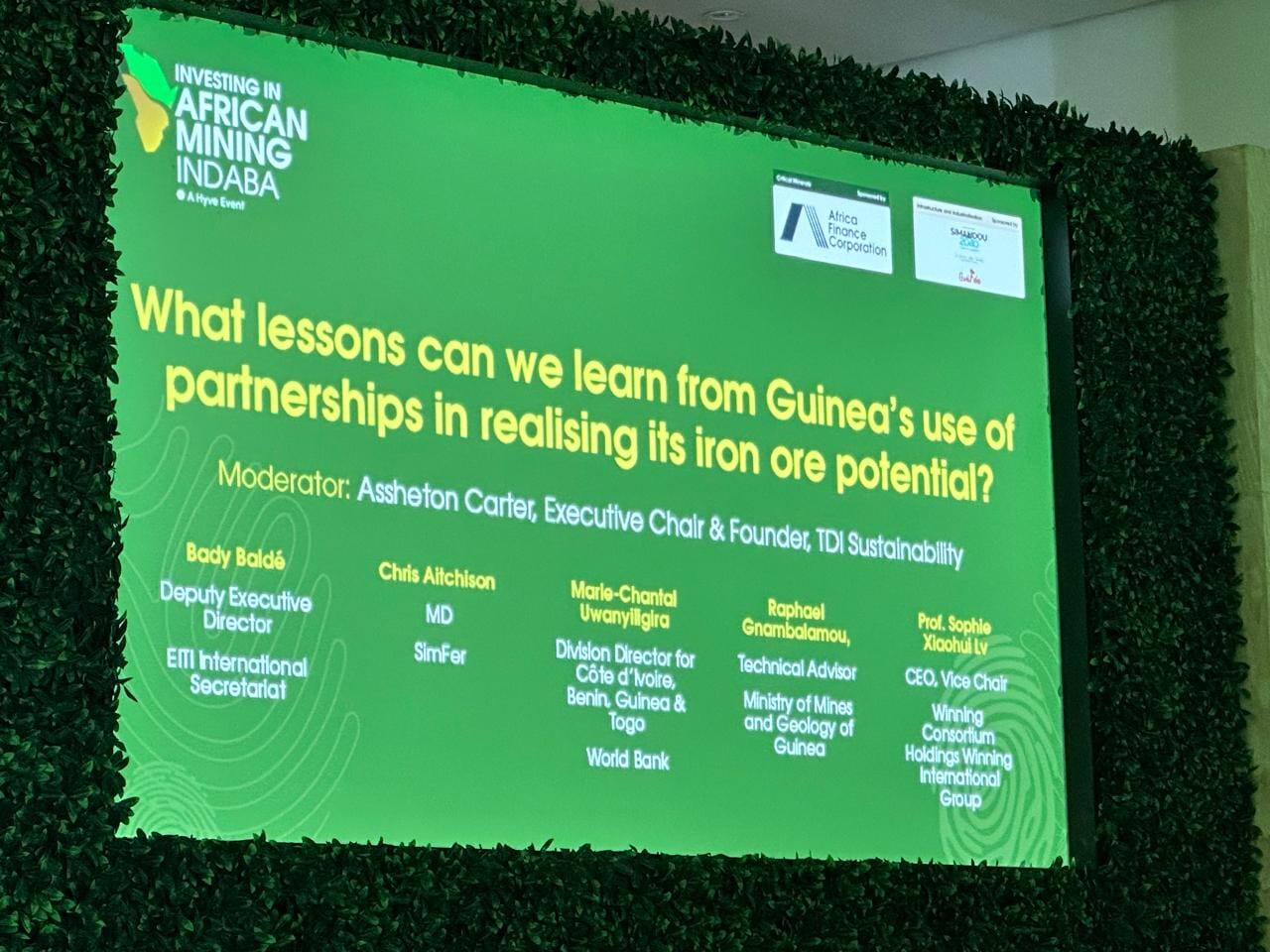
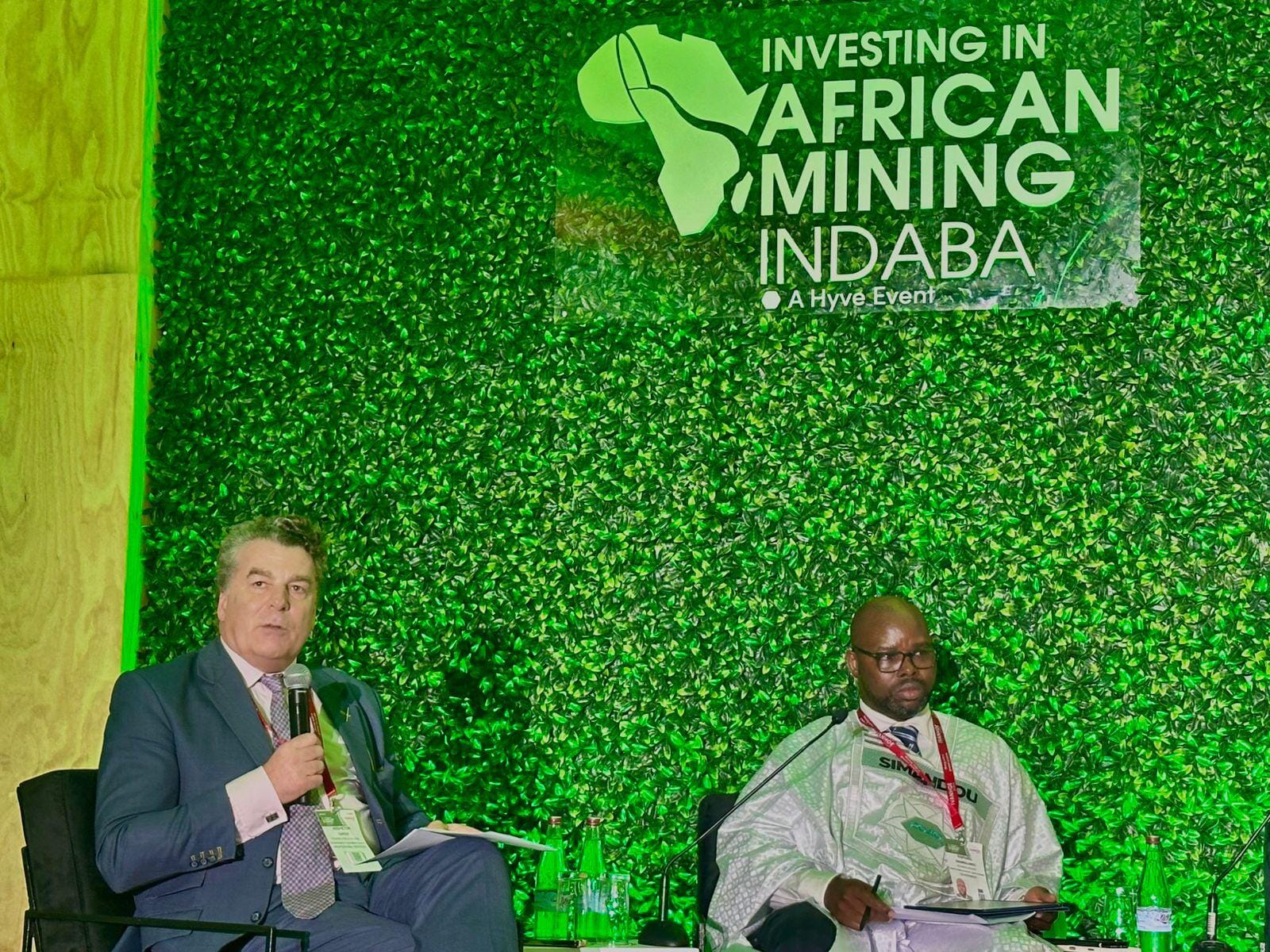
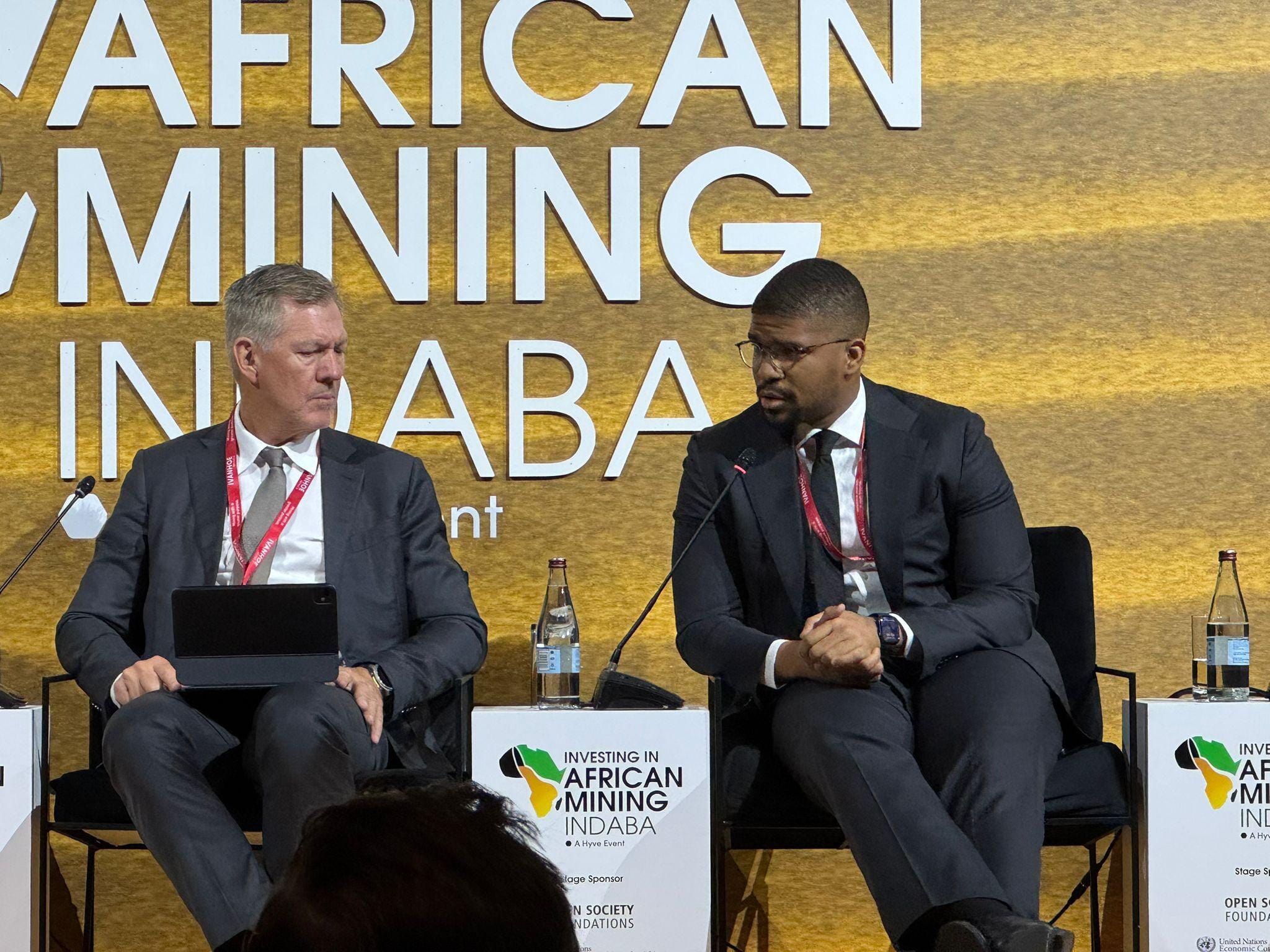
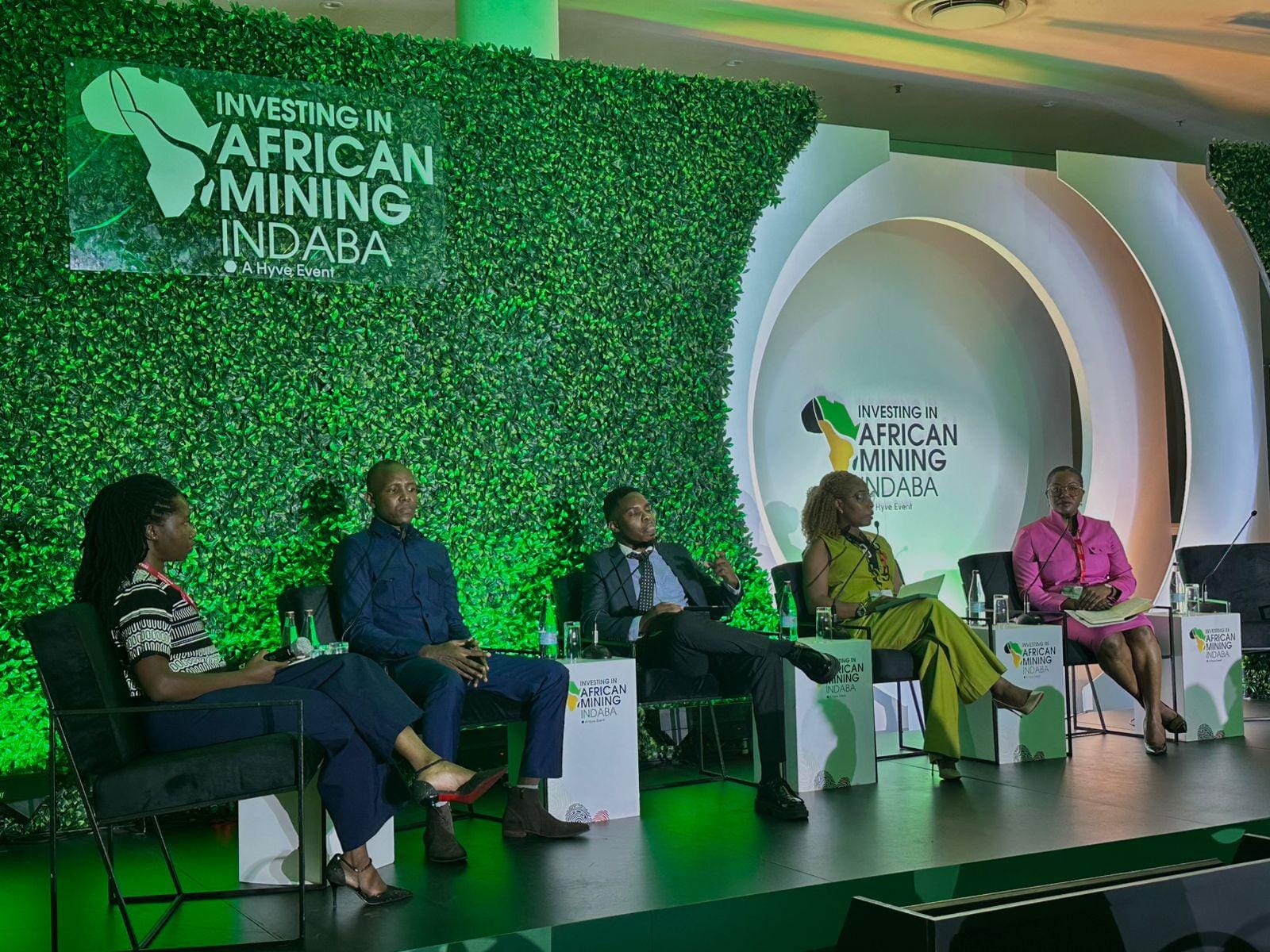
- Panel session on day 2 hosted by TDi Executive Chair, Assheton Stewart Carter on “What lessons can we learn from Guinea’s use of partnerships in realising its iron ore potential?”
- Producing 3 daily round-ups videos and 4 daily wrap-up summaries on YouTube and our website.
- Mining Pulse Magazine: 3 articles contributed – 1 published and 2 upcoming.
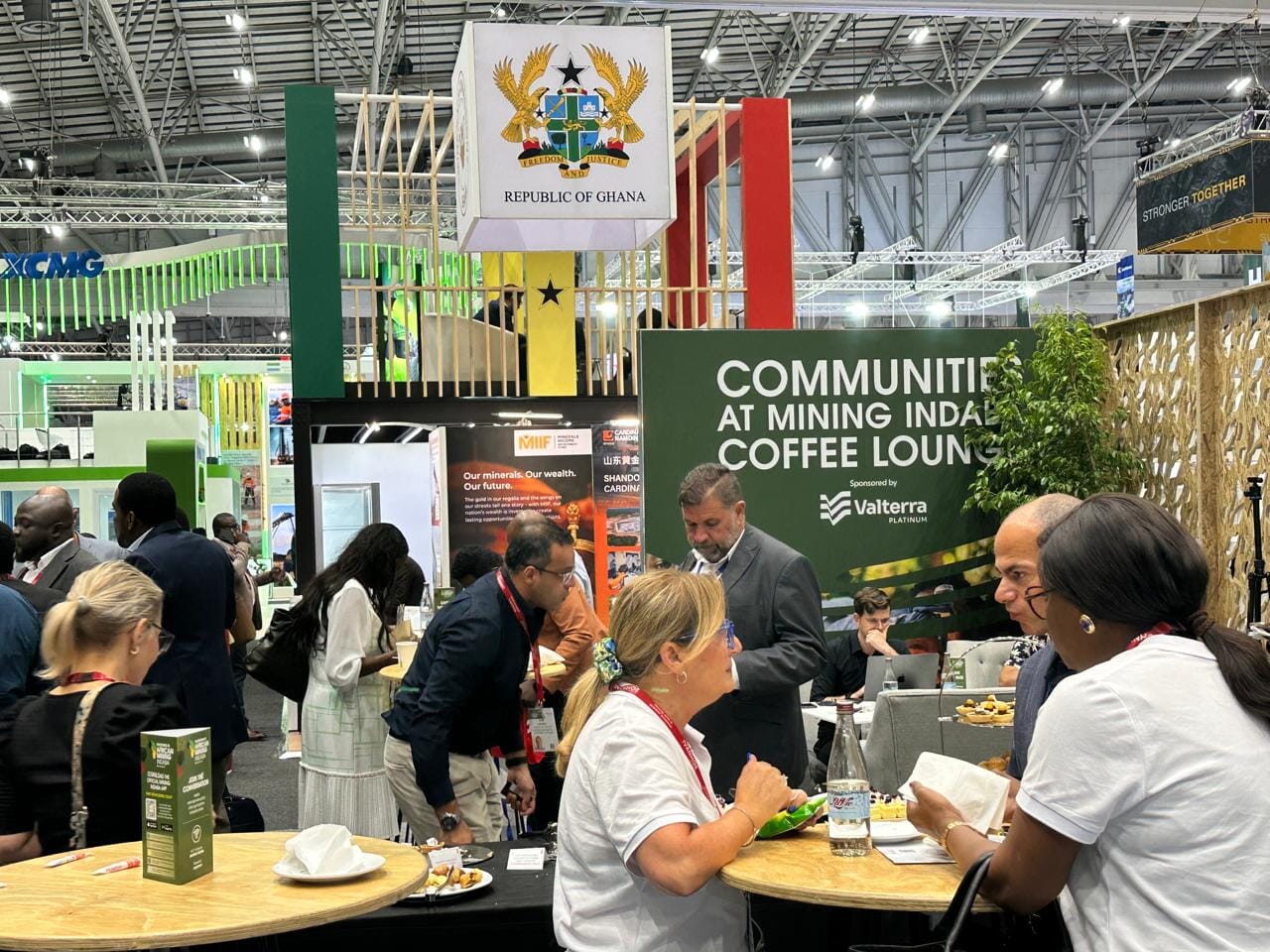
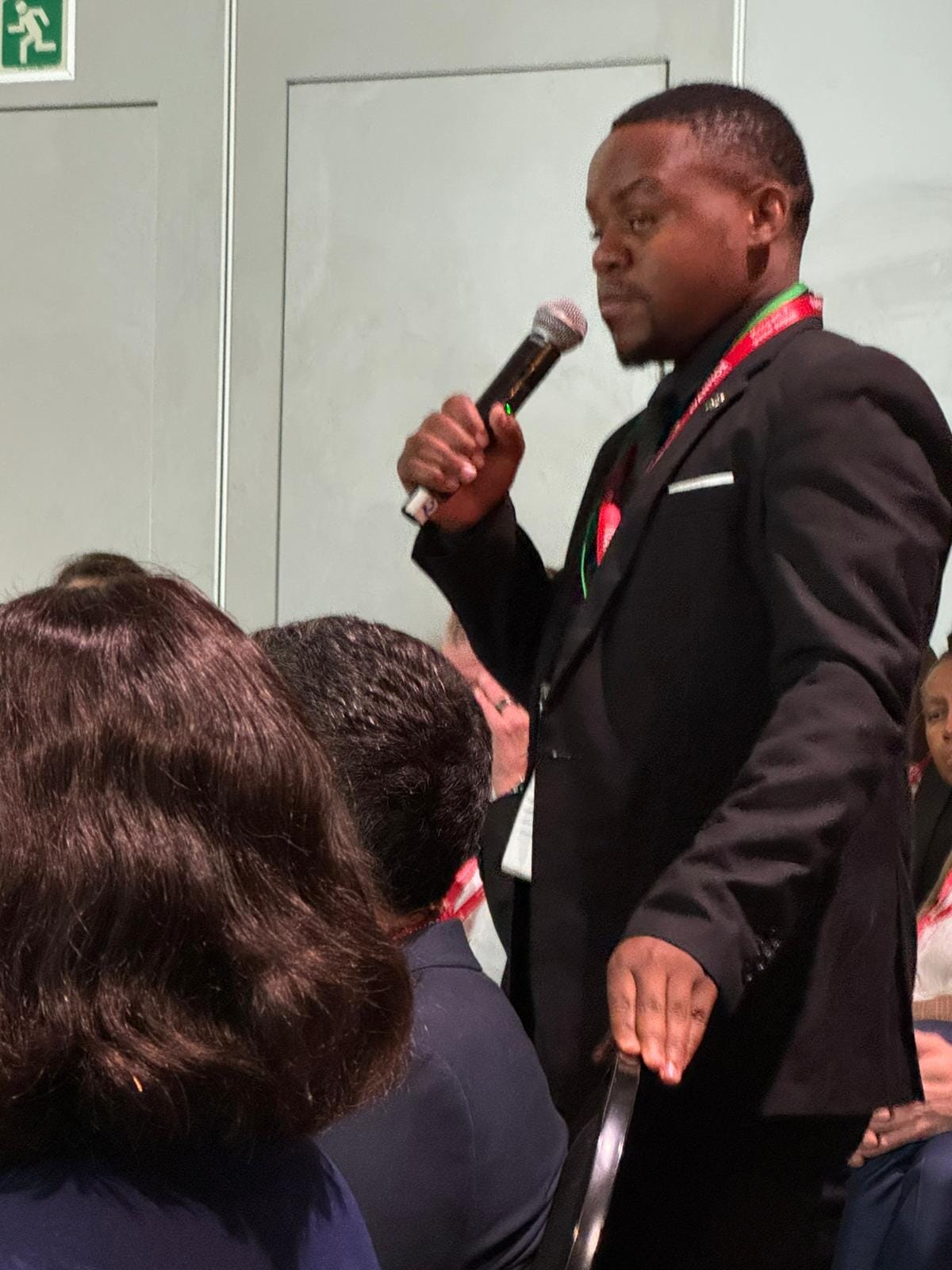
- TDi’s sister organisation, The Impact Facility (TIF) in conjunction with the Mining Indaba organisers, brought 10 Community Voices Winners (double the number from Indaba 2025), from across Africa to participate in Mining Indaba.
- TIF’s Programme & Business Support Officer, Candice Jumwa, hosted a panel on on day 2 called: Stronger Together in Practice: Building Meaningful Partnerships in Critical Mineral Communities.
Summary of Indaba Outcomes from Events and Panels
In terms of the actual content from the discussions, talks and events, a synthesis of discussions from the whole event reveals several recurring priorities shaping the mining sector’s trajectory.
- Critical minerals as its own strategic development agenda
Critical minerals were consistently positioned as central to both global industrial transformation and Africa’s long-term economic development.
Copper markets were characterised as increasingly shaped by supply fragility and scarcity dynamics, while lithium discussions reflected a shift from short-term price narratives toward long-term industrial capacity and supply chain development.
Africa was frequently framed as a future supply hub with significant potential for value creation, provided that investment, infrastructure, and governance conditions are effectively aligned.
- Partnerships as mechanisms for implementation
Partnerships emerged as a central mechanism for delivering investment, enabling project execution, and generating shared value. Discussions emphasised the growing importance of public-private collaboration and development finance in mobilising capital and reducing project risk.
Examples of multi-stakeholder cooperation, including the Simandou project in Guinea, were presented as potential models for aligning the interests of governments, investors, companies, and communities.
The role of host governments in creating enabling environments and supporting investor confidence was repeatedly emphasised.
Across sessions, the emphasis was not simply on partnership as a principle, but on practical collaboration as a driver of delivery, leading to actual impact and action on the ground.
- Infrastructure as a structural constraint
Infrastructure was widely identified as a defining constraint on Africa’s mining growth and value addition potential. Discussions highlighted the importance of integrated development corridors linking energy systems, logistics networks, ports, and processing capacity.
A hub-based approach to infrastructure development was presented as a pragmatic pathway, alongside the need for early-stage investment and coordinated planning.
A true transition from extraction to processing and beneficiation was framed as contingent upon resolving these structural challenges.
- Communities and social licence as foundational considerations
Community engagement and social licence featured prominently throughout the programme, particularly in sessions involving Community Voices participants. Discussions emphasisedthe importance of recognising local and Indigenous knowledge, strengthening inclusive engagement processes, and positioning communities as central stakeholders in project development.
Respectful dialogue, early engagement, and meaningful partnership were presented as critical to building long-term project resilience and sustainability.
Social licence was increasingly framed not only as a social consideration but more so as a determinant of project bankability and operational stability.
- From commitments to implementation
Another recurring theme across discussions was the persistent gap between ambition and delivery. While standards, commitments, and reporting frameworks continue to expand, the sector faces ongoing challenges in translating these commitments into measurable outcomes.
The emerging focus is therefore on implementation capacity, operational systems, and verifiable impact. The central challenge is no longer the articulation of commitments but their consistent execution.
Representation at Indaba 2026
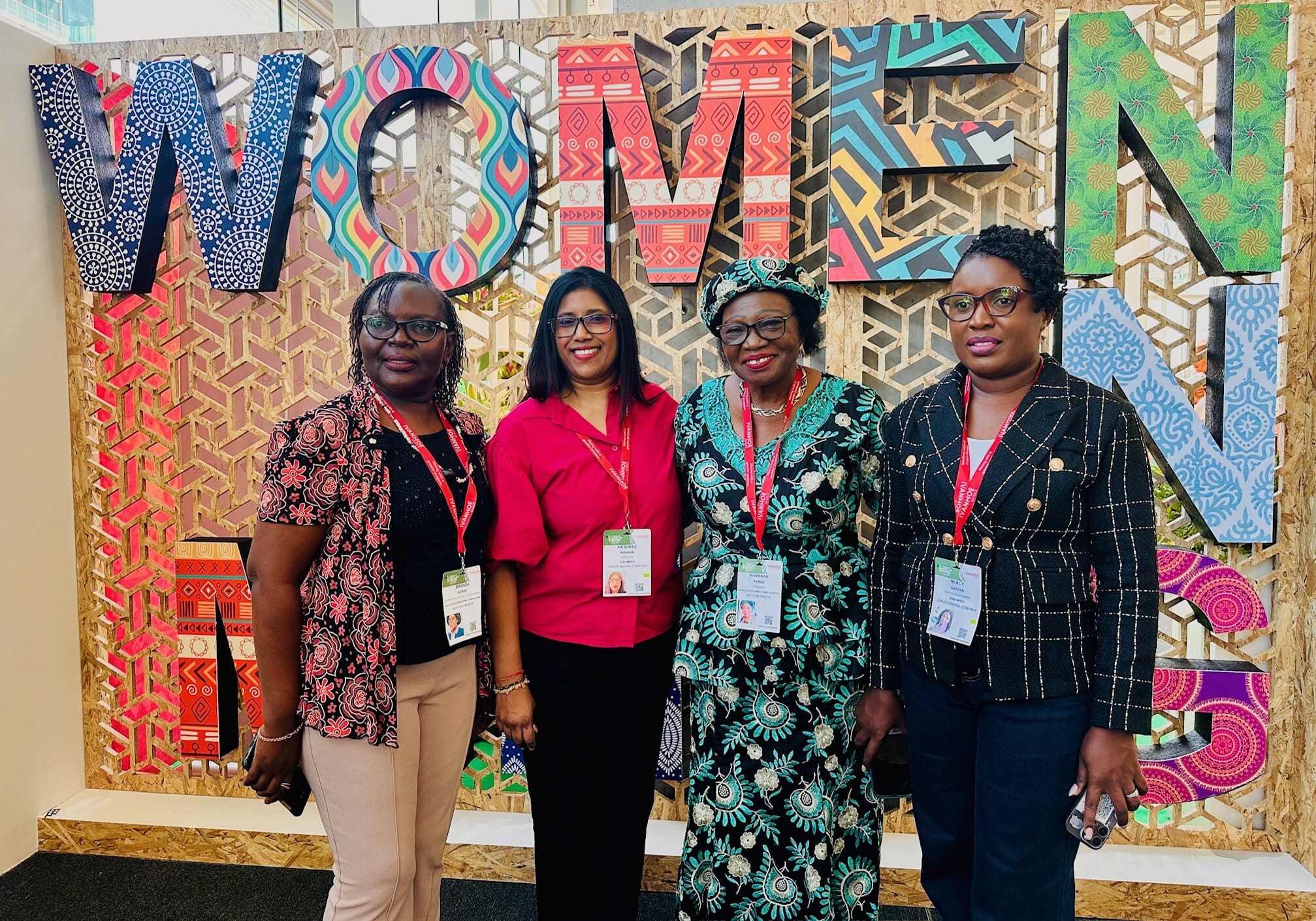
Diversity and inclusion were elevated at this year’s Mining Indaba, with enhanced community representation, and focus on critical issues, and not just critical minerals. Topics such as Gender-Based Violence (GBV) in mining had a greater platform this year.
A key aspect that came through was an even larger Women in Mining representation, as well as 10 Community Voice winners (double the number from 2025) attending for the first time ever. In addition, the Indaba organisers brought Traditional Leaders and Elders, who represented their communities in person, and challenged mining companies to do more.
While all of these are reasons for hope and an important take-away, a challenge to the organisers will be to increase this even more next year, making Mining Indaba 2027 even more inclusive and representative.
The way forward to Mining Indaba 2027
As Mining Indaba 2026 concludes, the discussions point toward a transitional moment for the sector, characterised by a shift from agenda-setting toward implementation.
From dialogue to delivery
The emphasis across the week reflects a movement beyond conceptual commitments toward operational execution. The sector now faces the task of translating partnerships, policy frameworks, and strategic ambitions into tangible outcomes.
Building enabling ecosystems
Realising Africa’s mining potential requires integrated approaches that align infrastructure development, governance reform, capital mobilisation, workforce capability, and community partnership models. These elements function as an interdependent system, requiring coordinated action rather than isolated intervention.
Strengthening trust and institutional collaboration
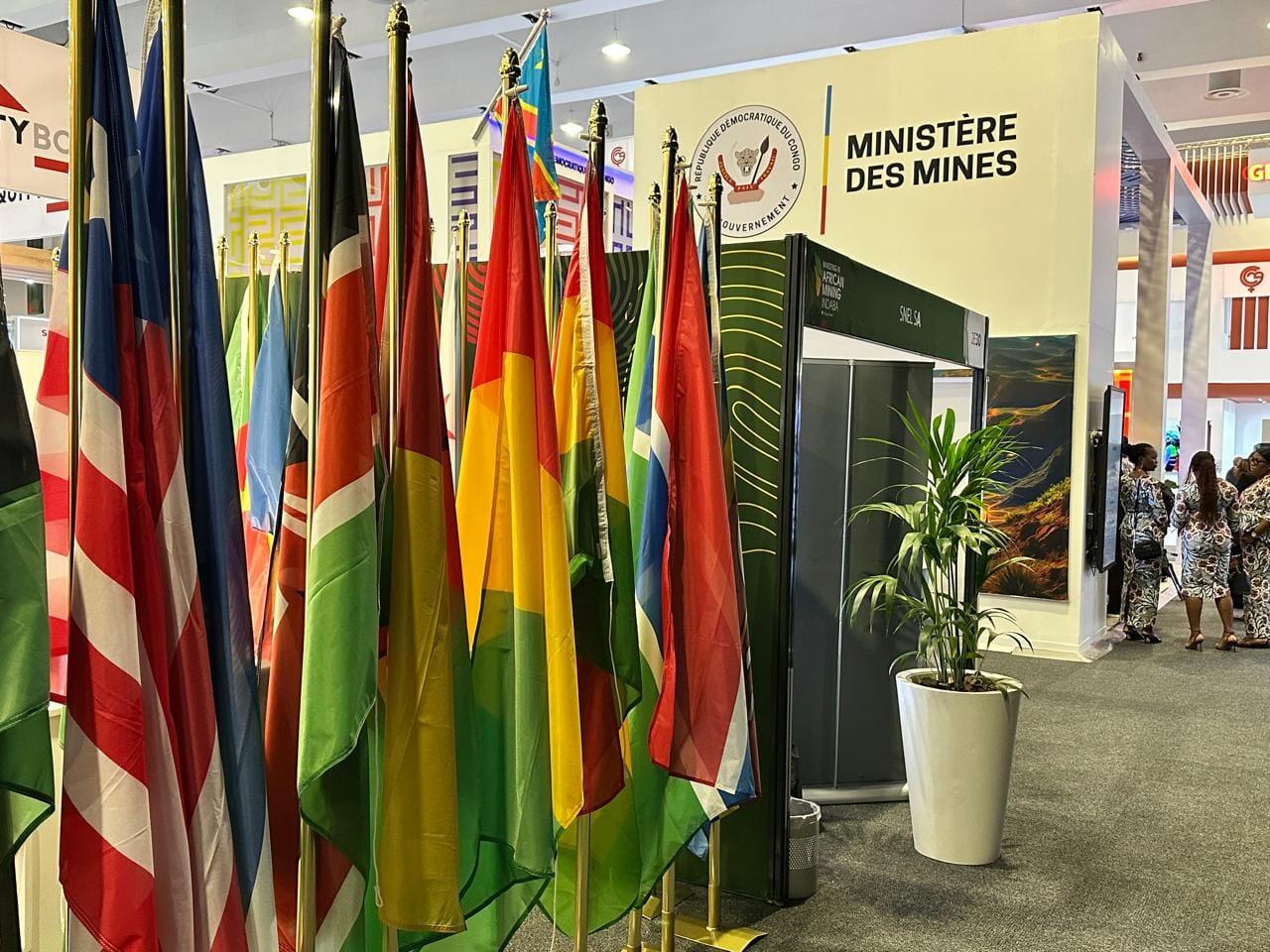
Long-term success will depend on the quality of relationships between governments, industry actors, investors, and communities. Trust, transparency, and shared value creation are emerging as central determinants of project viability and long-term sectoral resilience.
A defining period for Africa’s mineral future
With global demand for critical minerals projected to increase substantially, Africa faces a significant opportunity to shape global supply chains while advancing domestic industrialisationand economic development. The coming decade will play a decisive role in determining whether the continent moves beyond extraction toward broader value creation.