Rising gold prices, rising stakes: Why advancing responsible gold production matters more than ever
January 26, 2026

Gold prices have continued to soar as global markets reel from geopolitical tensions, accelerating tariff wars, and efforts by many countries to reduce dependence on the U.S. dollar. At the same time, the spectre of an AI-driven stock market bubble and broader financial overvaluation is fuelling investors’ search for stability. The ongoing uncertainty consumers, investors, and central banks alike face is pushing gold further into the spotlight as a store of value. As of January 2026, gold prices have reached a historic high of $4500/ounce, after rising over 60% in 2025.
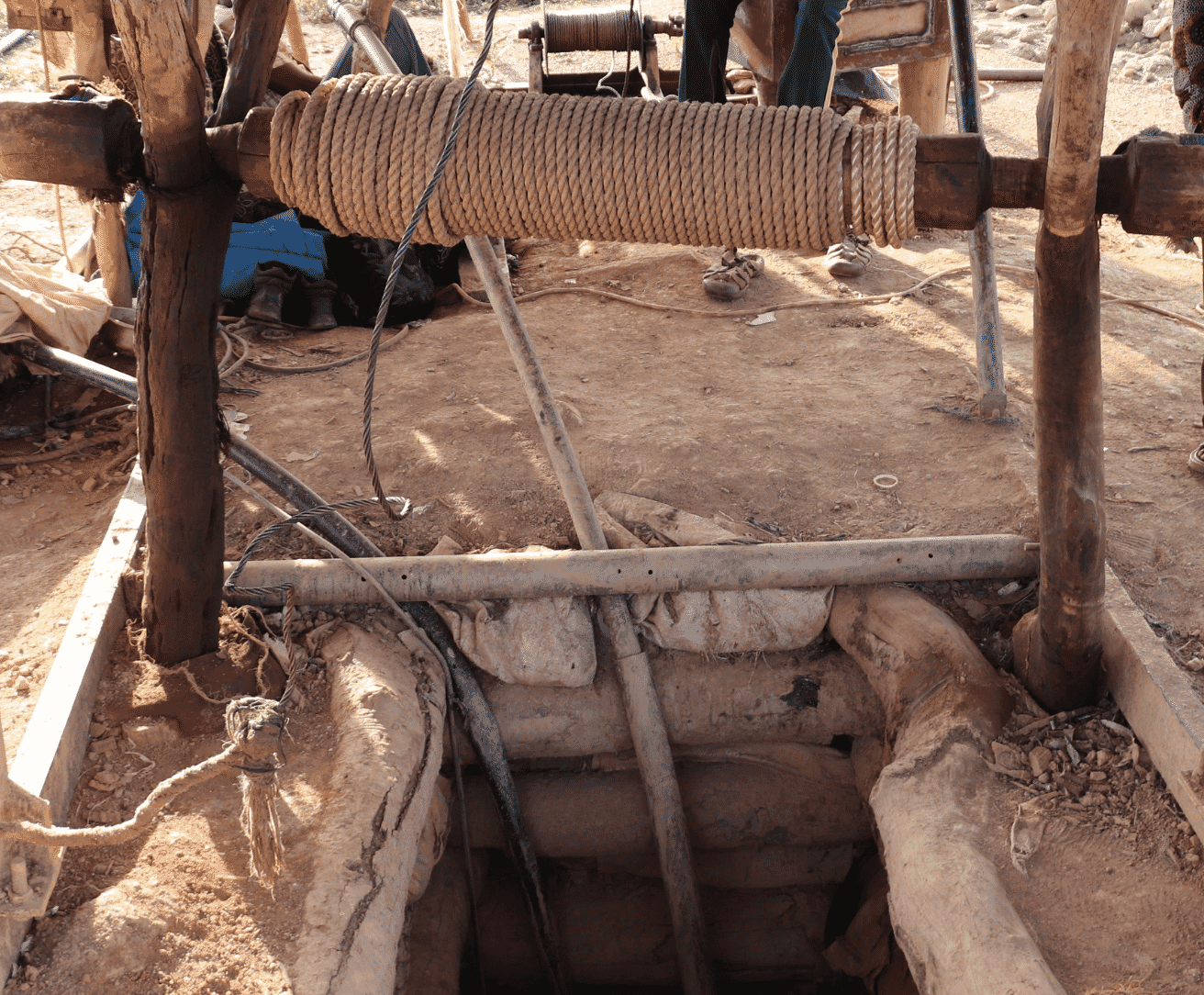
However, behind gold’s appeal as a force of market stability lies a complex supply chain. Artisanal and small-scale gold mining (ASGM) contributes an estimated 20% of global gold production, often providing livelihoods for millions. Gold mining takes place on every continent bar Antarctica, and it is a sharply expanding sector across Latin America, Africa and Asia. The ASGM sector is a key economic driver worldwide, employing an estimated 45 million people directly and contributing to the livelihoods of up to 270 million more, primarily in the Global South.
Environmental, social, and governance risks associated with the informality of the ASGM sector are not new – indeed, there have been decades of international initiatives and efforts to tackle these issues around the world, spearheaded by international organisations, governments, and the private sector. The OECD Due Diligence Guidance for Responsible Supply Chains of Minerals from Conflict-Affected and High-Risk Areas sets out specific provisions for responsible sourcing of gold and is widely recognised as best practice in regulatory frameworks and industry standards.
Formalisation in recognition of ASGM’s economic centrality and development potential is a key objective of these efforts. Key aspects of ASGM formalisation include stronger regulation, social and health and safety risk mitigation, minimisation of environmental damages, and financial inclusion to drive responsible growth in the sector.
However, not only is persistent informality still a major issue for legitimate ASGM, but the rising price of gold is increasingly drawing illicit actors into contact with this supply chain worldwide. Often, illicit actors offer ASM miners easier access to capital without requiring social and environmental risk management. With increased capital in the absence of formalisation, more advanced, mechanised modes of working replace manual mining methods at ASGM sites, resulting in both increased productivity and environmental damages that too often go unaddressed. In more concerning cases, ASGM communities may be coopted or coerced by non-state armed groups, criminal bands, and other illicit groups, raising considerable risks of conflict financing, forced labour, and other serious social and governance risks. Existing regulations and industry standards are critiqued for failing to ensure that gold that enters the market is fully assured to be free of links to these risks, particularly through recycling.
The results are stark. In gold producing countries, central governments are urgently acting to remedy the loss in tax revenues and local economic benefit that accompanies informal ASGM flows. Researchers from SwissAid estimate that about $35 billion in ASM-produced gold leaves the African continent undeclared annually, often transiting under-scrutinised through major trading hubs before entering downstream markets. Networks of illicit actors and murky funders are driving up the rampant use of mercury in ASGM gold amalgamation, causing immeasurable damage to wildlife, bodies of water, and communities worldwide. From the Amazon – where the ASM gold rush intersects with massive destruction of biodiversity hotspots impacting Indigenous communities – to the Sahel, where terrorist groups are increasingly encroaching on ASGM sites – to Sudan, where control of gold mines has been recognized as a key driver of civil war and international intervention – the urgency of the problems in the ASGM sector are increasingly ringing alarm bells.
Alongside TDi’s fieldwork on the topic of ASGM, our team members have participated in a number of key discussions on this vital topic in recent months. Conversations at events such as the recent Intergovernmental Forum on Mining, Minerals, Metals and Sustainable Development (IGF) in Geneva, where key stakeholders launched a new Global Coalition for Action on Artisanal and Small-Scale Gold Mining; and last week’s joint BGR/BMZ Responsible Gold event in Hannover, each reaffirmed a central truth: advancing responsible gold production requires genuine, multi-stakeholder collaboration. Governments, industry actors, civil society, and local communities all have a role to play in ensuring that gold supports sustainable development goals. In light of the risks today, urgent engagement is all the more necessary.
At TDi Sustainability, we work with companies, governments, and international organisations navigating these questions every day. Get in touch to discuss how TDi can support you with:
- Developing governance structures and supporting sector formalisation to unlock economic potential and align national frameworks with international standards
- Developing skills and creating internal capacity at ASM sites to comply with OECD regulations, safety standards and human rights conventions
- Building multi-stakeholder alliances between mines, local partners and customers to jointly address ASM-related ESG issues and capture opportunities for increased clean production through market-based mechanisms.