No Silver Bullet: What China’s Move Against the RBA Means for Responsible Mineral Sourcing
August 11, 2026
China’s Move Against the RBA
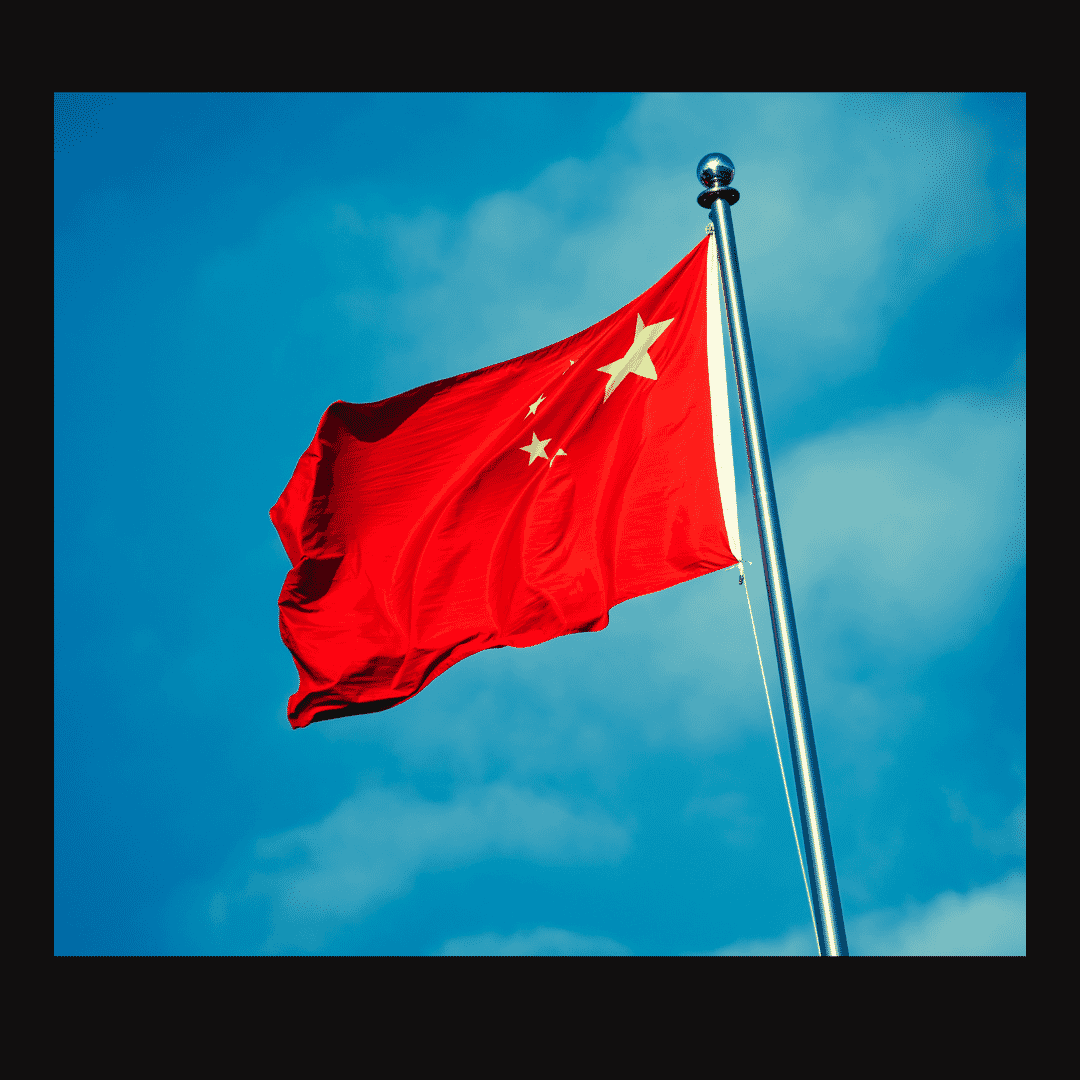
China’s announcement this week that it has placed the Responsible Business Alliance (RBA), the organisation behind the Responsible Minerals Initiative (RMI) and its RMAP assessments, together with the labour rights organisation Verité, on its countermeasure list is a sobering reminder of how geopolitics can disrupt critical resources’ trade flows. Taken in retaliation for new US forced labour sanctions against Chinese companies, the listing prohibits organisations and individuals in China from engaging in transactions or cooperation with either body.
Whether it is the closure of the Strait of Hormuz, US tungsten scrap export controls, Indonesia’s nickel ore ban, Guinea’s restrictions on bauxite exports, or the DRC’s imposition, with immediate effect on 6 August 2026, a comprehensive ban on exports of copper and cobalt concentrate was implemented, and countries are visibly leveraging their resource, processing and transport monopolies to weigh in on the balance of global trading power.
This only makes it more complex for mineral buyers, not only to plan and schedule their deliveries, but to do so in a responsible manner, at a time when simply securing access to a given mineral at a stable price, can already be a challenge. The difficulty is compounded by ever more exacting regulation and steady public scrutiny, which requires buyers to maintain real visibility over their sourcing risk exposure.
In this fraught context, third-party audit programmes such as the RBA’s seemed to offer a silver bullet: a single, widely recognised form of assurance for responsible sourcing that satisfied regulators and consumers alike. What this week’s events show, however, is that there is no silver bullet in responsible mineral sourcing, and that reliance on a single source of truth for due diligence is a fragile strategy. It is also worth recalling a principle that can get lost in the convenience of third-party audit programmes: due diligence is, and has always been, the responsibility of the company.
As auditors ourselves at TDi Sustainability, and as RBA and RMI partners, we want to be clear: site assessments conducted under RMAP and other RMI standards provide a critical view of a company’s practices and verifiable evidence against deeply considered criteria.
At the same time, site visits must be understood as one component of a broader due diligence approach, especially when the global context reminds us how difficult reaching a site in person can be, and how limited third-party assessment is in certain jurisdictions. Audits also need to be seen in this wider frame for another reason: many downstream buyers simply lack the leverage and resources to request that their suppliers be audited at all.
TDi’s Strategic Position: Resilience Through Multi-Source Intelligence
TDi’s due diligence framework, developed since 2016, is built on the assumption that supply chain data is inherently fragmented, inconsistent and difficult to obtain. The ban does not fundamentally change TDi’s operational model, because the system does not rely on any single certification.
The TDi methodology rests on four pillars:
- Contextual data: Analysing regulatory and environmental conditions at the municipal and sub-regional levels in China to anticipate performance.
- Saliency database: Leveraging a proprietary database, active since 2014, that tracks public reports from international media, NGOs and academic sources, alongside Chinese municipal records of regulatory breaches and fines.
- Direct presence: TDi continues to operate its own audit programme within China, providing a direct line of verification.
- Continuous monitoring: Rather than relying on periodic checks, TDi uses an alert system to monitor high-risk entities identified through contextual risk analysis.
Guidance for Clients
The current market sentiment is one of alarm, but the practical impact remains uncertain. Our advice:
- Stay calm: Current sources of critical minerals (tantalum, tin, aluminium) remain certified; there is no immediate disruption to the validity of your supply chain.
- Focus on saliency: Do not attempt to monitor every actor. Use contextual risk analysis to identify and monitor the nodes where incidents are most likely to occur.
- Build defensibility: Move towards a model that synthesises multiple data points into a fuller picture, one that can withstand regulatory scrutiny and public accusations.
- Seek tailored advice: The implications of this designation will vary significantly depending on your commodity, your specific suppliers, your existing due diligence programme and your regulatory obligations. Generic guidance is a starting point, not a substitute for a considered assessment of your own exposure.
What we can say with confidence: this is not the moment for a one-size-fits-all reaction, but it is the moment to think carefully about whether your due diligence approach is genuinely multi-layered or more fragile than it appears.
TDi has been supporting clients through complex, politically sensitive supply chain environments for more than a decade, including in China. We continue to operate our own audit and monitoring programmes and to help clients build due diligence approaches that are defensible precisely because they do not depend on any single source of assurance.
If you are trying to understand your exposure, assess the implications for ongoing or planned due diligence activities in China, or think through how to approach this with your own clients and counterparties, we are here to help. Please do reach out to our team, we would prefer to facilitate this conversation early, to ensure the right decision is made.
Get in touch with TDi Sustainability to discuss how we can support your business.
Visit our Auditing Services Hub
Find out more about how we can support with critical minerals due diligence.