Skip to content
3

Services – Risk Identification

Compliance with standards and regulations

The regulatory landscape for mineral and metal supply chains is accelerating – with regulations including the CSDDD, CSRD and the EU Battery Regulation all placing new due diligence obligations on companies. TDi Sustainability doesn’t just help clients comply with these regulations – we’ve also helped directly shape regulation, including a study for the European Commission on the effectiveness of the EU Conflict Minerals Regulation.
  • How can you be sure if your operations are in compliance with the latest regulations?
  • How do you select the right standards to ensure supply chain due diligence?

Our regulation and standards mapping benchmarking service analyses a wide range of industry regulations and standards and compares them against your organisation’s existing code of conduct.

This helps ensure compliance with regulations and standards, enabling your organisation to proactively adapt to changes and mitigate environmental, social and governance risks in its supply chains.
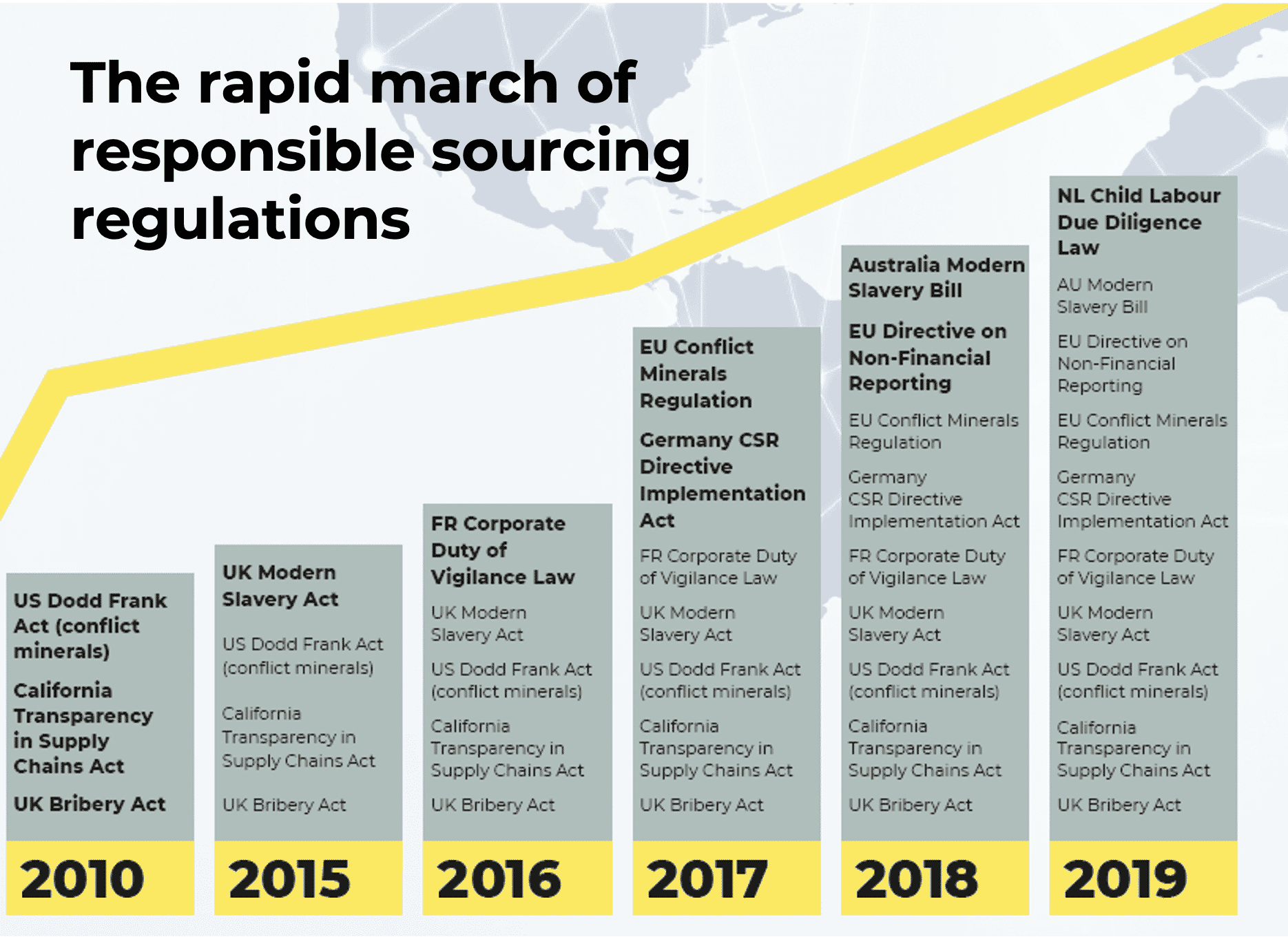
Some of the regulations that matter right now

CSDDD

The Corporate Sustainability Due Diligence Directive requires large companies operating in the EU to identify and address human rights and environmental impacts across their own operations and their supply chains, with legal liability attached to failure to act.

CSRD

The Corporate Sustainability Reporting Directive requires detailed, audited sustainability reporting – including supply chain due diligence performance – for a growing scope of companies.

The EU Battery Regulation

The EU Battery Regulation introduces due diligence obligations specific to battery raw materials, including cobalt, lithium, nickel and graphite, and will require a digital “battery passport” tracking a battery’s materials and origin.

The EU Forced Labour Regulation

The EU Forced Labour Regulation bans products made with forced labour from the EU market, placing the burden of proof on companies to demonstrate their supply chains are clean.

Spot-market due diligence

The EU Battery Regulation’s due diligence obligations assume an ongoing supplier relationship – but a meaningful share of battery raw material sourcing happens on the spot market, through one-off transactions with no ongoing relationship to build due diligence around. TDi has developed a bespoke methodology specifically for this gap, giving companies a practical way to meet their obligations on spot-market purchases rather than treating them as an unsolvable compliance blind spot.
Find out more in our due diligence section.

Due diligence made simple

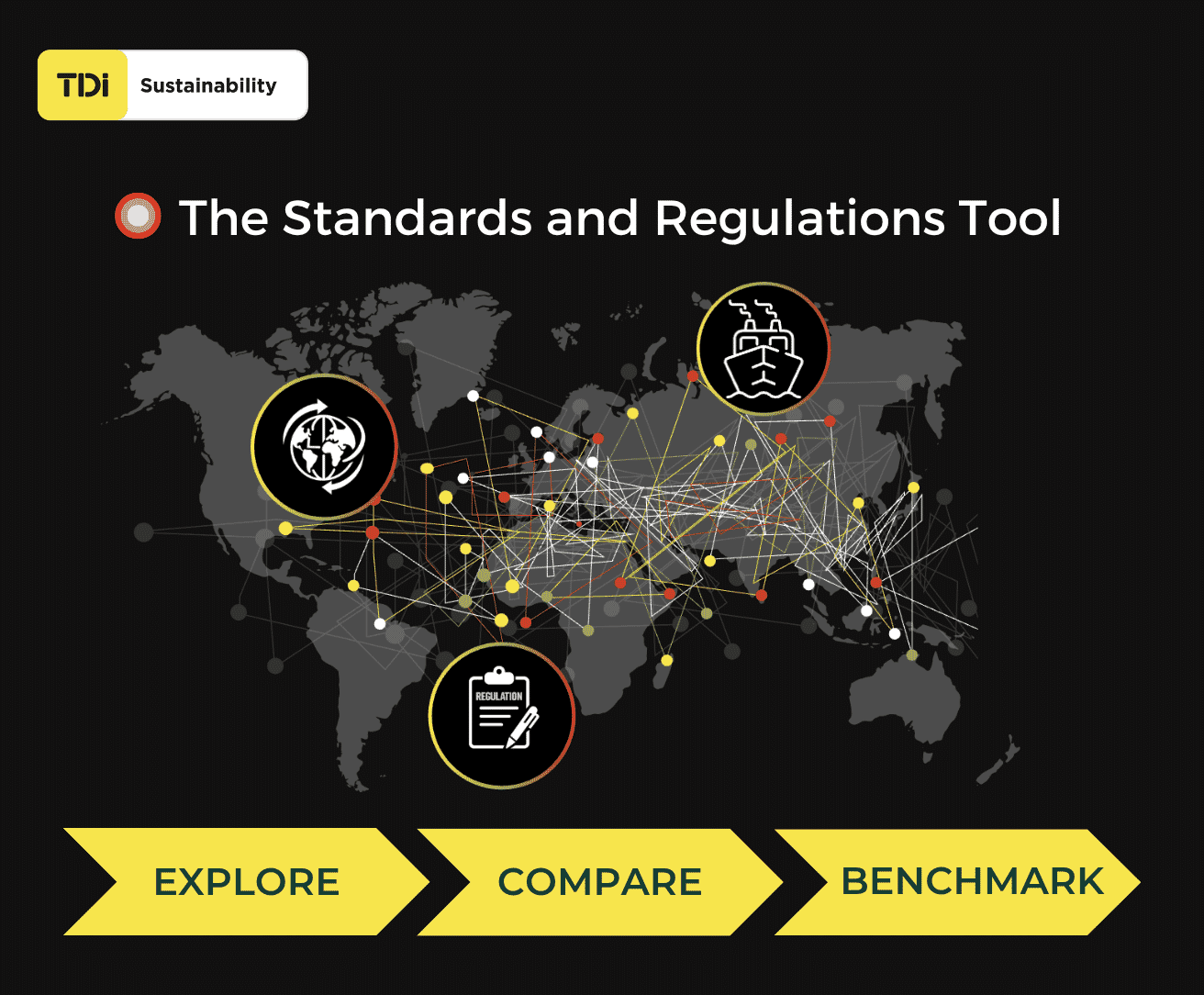
TDi Sustainability’s digital Standards and Regulations Tool helps you quickly identify and compare the responsible sourcing regulations and standards applicable to your business.

From understanding a regulation to proving compliance against it

Knowing what a regulation requires and being able to demonstrate compliance against a recognised standard are two different things. See our Audit and Standards hub for more information on how we can support your business in turning regulatory awareness into audited proof.

Audit-Prep+Training

FAQs

Regulatory compliance

What is the CSDDD and does it apply to my company?

The Corporate Sustainability Due Diligence Directive requires large companies operating in the EU to identify, prevent and address human rights and environmental risks across their own operations and their supply chains, with legal consequences for failing to do so. Whether it applies directly to your company depends on size, turnover and where you operate – get in touch and we can help you assess your exposure.

Does TDi help with EU Battery Regulation compliance?

Yes, including on one of its hardest practical challenges: due diligence for spot-market battery material purchases, where there’s no ongoing supplier relationship to build a standard due diligence process around. We’ve developed a specific methodology for exactly this gap.

Has TDi worked directly with regulators, not just advised on regulation?

Yes. We led a research consortium for the European Commission studying the effectiveness of the EU Conflict Minerals Regulation, and worked directly with the UK’s Foreign, Commonwealth & Development Office to build enforcement capacity within its Government Diamond Office.

What’s the difference between regulatory compliance support and an audit?

Regulatory compliance support helps you understand what a regulation requires and build the processes to meet it. An audit is the independent verification that you’re actually meeting a specific standard – see our Audit and Standards Hub for the standards TDi is approved to audit against.

Progress on your journey to business resilience. We can make sure your organisation and your supply chain stand up to scrutiny, today and in the future

25+ Years of experience

Other services that may be of interest:

Get ahead of your

regulatory requirements

Do you want better understand which regulations and voluntary standards are applicable to your business? We have a simple solution.
Service-CTA