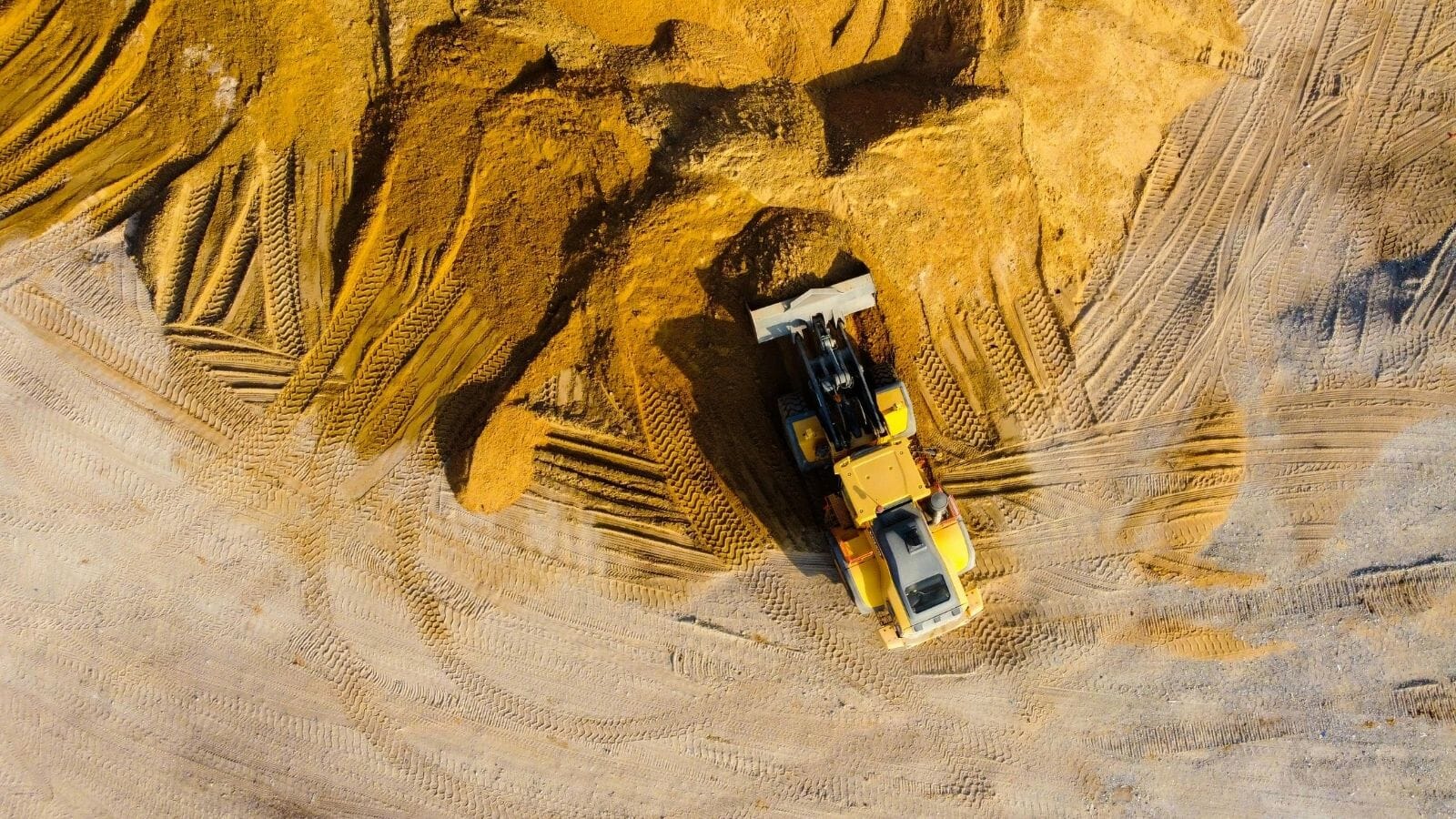
How our services support the construction industry
Supply chain risk mapping
Many of the materials construction depends on sit outside traditional due diligence programmes, often because they are bought indirectly through concrete, mortar and aggregates suppliers. TDi maps where materials such as sand, silica and silicates appear in your supply chain and production processes, including indirect uses. We identify the ESG risks linked to each source, from the extraction context to the countries materials come from, so you can prioritise the highest-risk issues first.
Due diligence
TDi helps you meet your due diligence requirements by engaging suppliers, delivering training and encouraging the adoption of standards and best practice. Where audits are needed, we carry them out. Where suppliers fall short, we develop corrective action plans and strengthen internal processes to support ongoing compliance. Our approach is aligned with OECD guidance, including the OECD’s February 2026 report on due diligence for sand and silicate supply chains.
Through the TDi Digital Platform you can monitor risk and adverse news, and explore the ESG risk exposure of your suppliers across multiple tiers.
Case study: OECD Due Diligence Essentials Series
Regulations and standards mapping
Expectations on supply chain responsibility are now reaching materials that have traditionally sat outside due diligence. TDi helps you identify the regulations and voluntary sustainability standards that apply to your operations, carry out audits and assessments against them, and track supplier progress.
Human rights and social impact strategies
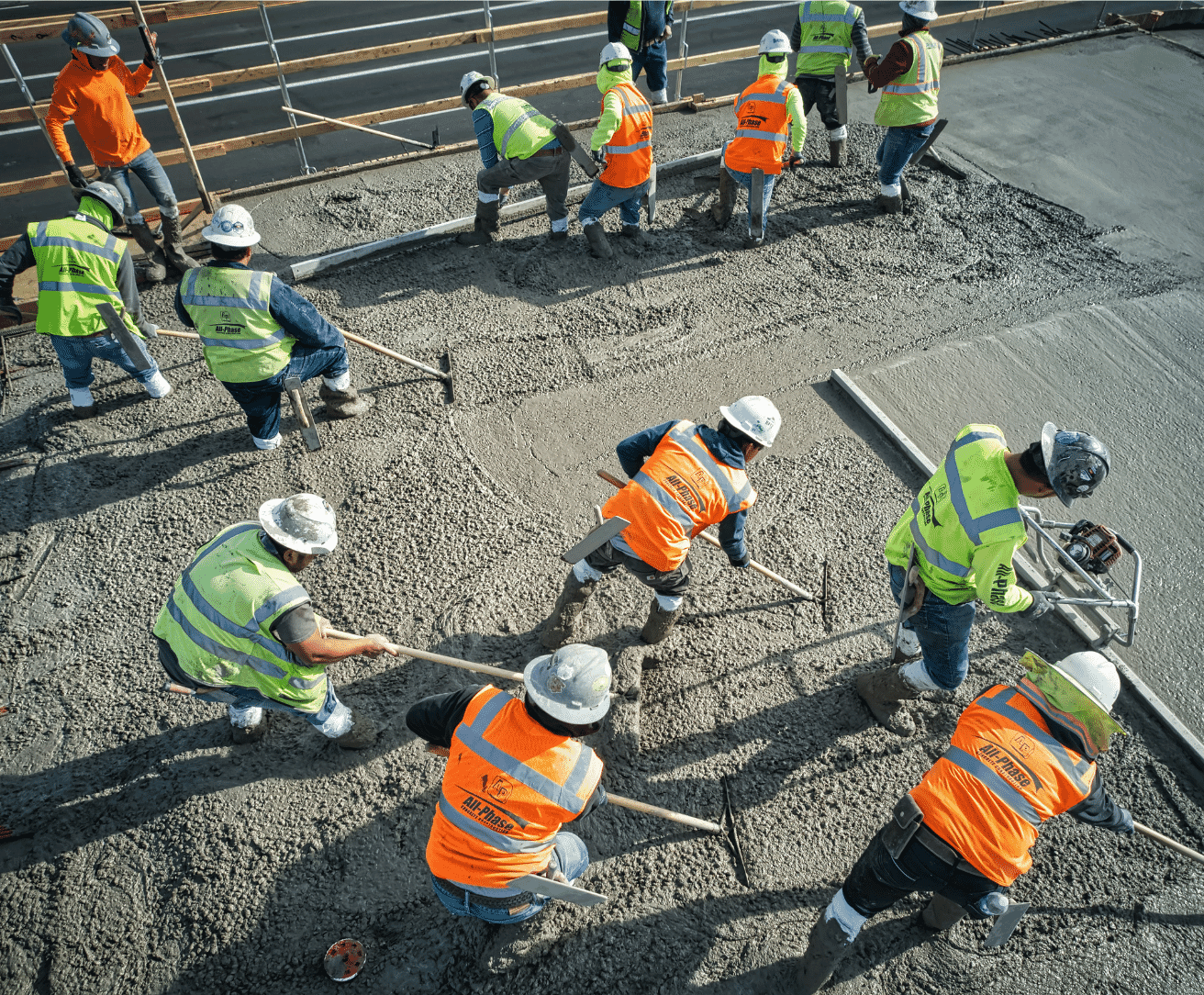
Extraction brings risks that downstream companies can easily underestimate, including habitat loss, informal or illegal mining and harm to local communities. TDi carries out human rights due diligence for specific materials and supply chains, identifying potential and actual adverse impacts and giving you actionable insights to mitigate them. We also develop stakeholder management plans and social impact strategies that go beyond compliance.
Industry collaboration
Some risks are too large for any one company to solve. TDi has many years of experience bringing competing organisations together around shared challenges, and can help you engage with initiatives aimed at reducing the environmental and social risks of the supply chains of materials used in construction.
Insights & Reports
TDi’s data analysts and responsible sourcing experts produce insight reports and data-driven research on ESG risks in minerals and metals supply chains. Get in touch with your research requirements.
Latest Trends
Sand moves up the agenda
More than 50 billion tonnes of sand are extracted every year, yet the ESG risks of extraction are often overlooked. In February 2026 the OECD published Due Diligence for Responsible Sand and Silicate Supply Chains, the first report to apply due diligence standards specifically to sand. Recent product recalls in Australia, New Zealand, the UK and France, caused by asbestos found in sand, show how a supposedly low-risk material can carry real reputational exposure.
Growing regulatory expectations
The CSRD and CSDDD, the EU Forced Labour Regulation and the EUDR all place new evidence requirements on companies and their suppliers. Understanding what applies to your materials is the first step.
Limited visibility beyond tier 1
Construction companies often struggle to obtain supply chain data from suppliers, which blocks them from addressing the risks regulators increasingly expect them to manage.
Labour and recruitment risks
With many different suppliers in complex supply chains, it can it can be difficult to view data from multiple suppliers in one place. It can be challenging to migrate data between different digital tools, making it difficult to build a complete picture of ESG risk. TDi’s Supply Chain & Due Diligence Tool provides a complete visual map and exportable data repository for your entire supply chain.
Circular economy and recycling
Expectations are rising for recycled and secondary materials in construction. TDi can support your future secondary material planning needs, and help you to ensure that those materials are responsibly sourced.
Key Resources
Meet TDi’s construction industry experts



Frequently Asked Questions
Construction
What does the OECD’s sand guidance mean for construction companies?
Can the TDi Digital Platform map a construction supply chain?
Does TDi help construction companies with forced labour and EU regulation?
Which construction materials does TDi cover?
Other services and tools supporting the automotive industry
Your project
made possible