The New Battery Due Diligence Combination: Sovereignty, Supply Security and ESG
November 26, 2026


Sovereignty does not mean autarky or complete production self-sufficiency, which is neither realistic nor desirable for most mineral dependent economies. Rather, it means building a sufficiently diversified supplier base so that access to strategically important materials does not depend on countries that may become geopolitical adversaries or use their position in the supply chain as leverage. In short, it means strategic autonomy.
This is changing the way governments think about procurement. For critical sectors such as defense and utilities, where states can design procurement rules, public funding and other policy instruments to advance sovereignty objectives, security of supply is becoming a key consideration. It is increasingly being built into the criteria used to select and verify suppliers of critical materials and technologies.
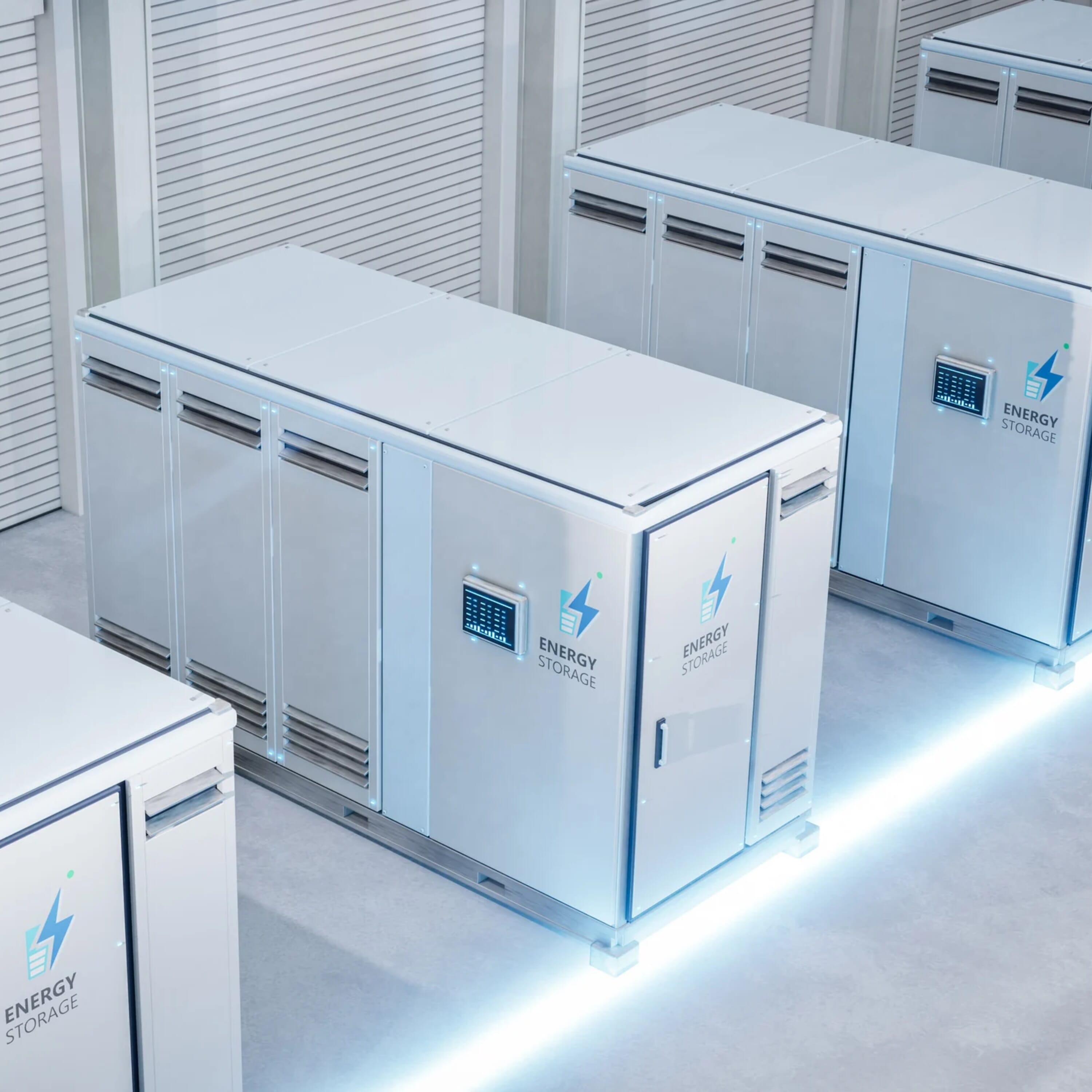
That change is particularly visible in the procurement of energy storage systems, including batteries.
From October 2027, the United States Department of Defense will be barred from procuring batteries made by six named Chinese manufacturers, including CATL and BYD, under Section 154 of the Fiscal Year 2024 National Defense Authorization Act (NDAA).
In the EU, the Net Zero Industry Act (NZIA) now requires resilience and other criteria beyond price to be applied to part of the renewable energy auction market, with the aim of reducing excessive dependence on single countries outside the EU (Covington). The United States has moved in a similar direction by making access to some clean energy tax credits conditional on limited exposure to prohibited foreign entities (Holland & Knight).
Taken together, these measures point to a shift in what states expect to know about strategically important supply chains. The question is no longer only whether a supplier can provide the right product at the right price Buyers are increasingly expected to assess their exposure to supply chain disruption, including disruption driven by geopolitical motives.
What does the inclusion of these new criteria mean for battery due diligence?
Due diligence on battery supply chains has largely been shaped by automotive original equipment manufacturers (OEMs) and electronics brands. Their concern has been to ensure that supply chains are not exposed to human rights abuses and conflict financing and, increasingly, that production does not create wider negative impacts on people and the environment.
These environmental, social and governance (ESG) due diligence requirements, initially driven by downstream companies’ responsible sourcing policies, have also been written into law in the European Union through the Corporate Sustainability Due Diligence Directive and the EU Batteries Regulation, and in the United States through measures such as the Uyghur Forced Labor Prevention Act.
The requirements now emerging around energy storage systems for nationally critical sectors add a different dimension. They are not concerned primarily with whether production causes harm, but rather if the supply can be relied upon.
Defense buyers and energy utilities therefore increasingly need to consider questions that have traditionally sat outside the core of ESG due diligence. How concentrated is supply in one country or company? Who ultimately owns or controls a supplier? Where does processing take place? Who controls the technology on which a battery system depends? Could a government or private sector actor interrupt access to the material, component, technology or data required to keep that system operating?
For batteries, these questions are particularly relevant because security concerns extend beyond the origin of the raw material itself. Dependence can exist at multiple points in the supply chain, including processing, component production, technology, and operational control. A supply chain can therefore appear diversified at one level, while remaining highly concentrated at another.
This creates a new due diligence requirement alongside existing ESG considerations. A supplier may perform strongly on labour, environmental and human rights criteria but still present an unacceptable sovereignty risk because of its ownership, location or strategic dependencies. Conversely, a supplier that is attractive from a sovereignty and supply security perspective may present significant environmental or social risks.
The question is therefore not simply how sovereignty requirements should be added to battery supply chain due diligence, but whether they could begin to crowd out ESG verification as security of supply becomes more politically urgent.
This question is particularly salient for defense procurement and energy utilities because of their critical status and the greater role governments play in determining how they source. But the effect is unlikely to remain confined to these sectors. As geopolitical considerations play a larger role in long term sourcing strategies, sovereignty requirements could increasingly influence wider procurement rules and eventually affect private buyers, including automotive and electronics companies, that have historically driven responsible sourcing expectations in battery supply chains.
Why do ESG and sovereignty need to be considered together?
The risk is that growing pressure to secure supplies encourages buyers to treat sovereignty as a higher priority than environmental and social performance.
That would be a mistake for two key reasons.
1. Greater security risks do not mean ESG risks have diminished
An increase in geopolitical risk does not make existing environmental and social risks less important. Nor does it remove the expectations of communities, consumers, investors or other stakeholders that expect companies to manage the impacts associated with their supply chains.
Indeed, shifting rapidly towards new sources of supply can itself generate new ESG exposure. A project or supplier that is attractive because it reduces dependence on a geopolitical rival is not necessarily environmentally or socially preferable.
The United States provides an example. The Resolution Copper project in Arizona, which has been advanced as a strategically important domestic source, has raised concerns about the rights of the San Carlos Apache, for whom the Oak Flat site is sacred (Reuters). The case illustrates that strategic importance can come into tension with community interests.
A similar backlash has occurred over data centres in the United States. The societal conflict around large-scale expansion suggests that consumers may be less willing to bear the environmental and social costs associated with rapidly expanding strategic industries. This raises a broader question about whether demands for a fairer distribution of negative externalities will increasingly extend further into the supply chains supporting digitalisation, electrification, and energy security.
This means companies cannot simply shift environmental and social costs onto producing communities in exchange for access to strategically important materials. Resource sovereignty must also support production and sourcing practices that are strategically, economically and socially sustainable.
2. Security of supply ultimately depends on resilience to more than geopolitical shocks
The second reason is commercially fundamental: sovereignty and ESG risk management are both concerned, in different ways, with resilience.
Stable supply depends on supply chains that can withstand different types of shock, whether geopolitical, social, or environmental. ESG risks are therefore not separate from security of supply, because environmental or social failures can themselves interrupt production. This in turn limits companies’ ability to procure minerals, particularly where incidents occur in highly concentrated production regions and the effects of a stoppage are magnified.
A tailings dam rupture, for example, can cause severe environmental and social harm while also halting operations and reducing supply. Armed conflict, as seen around Hormuz, can equally disrupt supply chains by restricting access to key transport routes and delaying the movement of materials even where production itself continues.
Community opposition, labour disputes, environmental damage and geopolitical intervention may arise from very different causes, but from a procurement perspective, they can ultimately produce the same result: materials and components do not arrive when they are needed.
This is why looking at sovereignty and ESG separately can give buyers an incomplete understanding of resilience. A sovereignty assessment may identify dependence on an adversarial country but overlook environmental or social risks capable of shutting down an alternative source. An ESG assessment may identify impacts at a mine or processor while overlooking the fact that a supposedly responsible supplier remains exposed to a strategic bottleneck elsewhere in its supply chain.
Developing a combination due diligence framework for ESG, sovereignty and security of supply
Sovereignty analysis can identify strategic dependencies, concentration, ownership, and the potential for governments or companies to interrupt supply. Responsible sourcing due diligence can identify environmental, social, and governance risks that may cause harm and, in some cases, also undermine continuity of production.
Viewed together, these assessments provide a fuller picture of what resilience actually means: not simply obtaining supply from an allied or domestic source but building a supply chain capable of remaining operational without creating unacceptable impacts on people or the environment.
This also explains why emerging sovereignty requirements could eventually matter beyond defense and energy infrastructure. Suppliers responding to government procurement rules or public funding conditions may increasingly need to establish information on origin, ownership, processing and control. Once that information becomes part of routine supplier verification, the same expectations can more easily move into commercial procurement.
Battery due diligence may therefore be moving towards a model in which two questions have to be answered together: can this supply chain be relied upon, and can it be relied upon responsibly?
Security of supply and responsible sourcing should not be treated as competing priorities. They are different components of the same resilience equation. We need a combination to succeed in reality.
TDi already helps its clients trace and assess supply chain security risks in battery material supply chains to the depth new buyers expect, alongside ESG issues
This shift increases the value of due diligence systems that combine supplier traceability, ESG risk assessment and geopolitical screening. The due diligence combination TDi delivers, are the foundational practices that defense buyers and utilities are requiring as part of our longstanding work with downstream companies:
- TDi maps geopolitical issues and advises clients on strategic sourcing decisions, including the circular use of minerals and the screening of new sourcing geographies.
- TDi conducts supplier due diligence in line with the OECD Due Diligence Guidance for Responsible Supply Chains of Minerals from Conflict-Affected and High-Risk Areas and the OECD Due Diligence Guidance for Responsible Business Conduct, adapting each review to the client’s most salient exposures.
- TDi carries out site assessments, both aligned with recognised standards and bespoke, which verify in person the risk management systems of established or preselected suppliers.
- TDi maintains an extensive and dynamic risk database covering minerals and countries, which allows clients to screen their exposure before triggering enhanced due diligence.
To assist companies, TDi Sustainability’s Digital Products brings together a suite of complementary tools to help companies identify, assess and manage environmental, social and governance (ESG) risks across battery and critical mineral supply chains. These include:
- Our Digital Platform is an end-to-end, data-driven risk identification and management solution that helps to manage every aspect of your journey to business sustainability.
- The Supply Chain & Due Diligence Tool enables companies to map supplier relationships and material flows, assess risks, manage audits and track corrective actions, supporting a structured, risk-based approach to responsible sourcing.
- Our Commodity Risk Tool identifies risks associated with key battery materials, including cobalt, lithium, nickel and graphite.
- The Country Risk Tool assesses geographic risk exposure, including conflict-affected and high-risk areas.
- Our Search360° News Monitor provides ongoing monitoring of adverse news and emerging risks linked to suppliers, commodities and sourcing locations.
- Complementing these capabilities, the Standards and Regulations Tool (ICAT) helps companies navigate and compare relevant regulatory requirements and voluntary standards.
Together, these tools support greater supply chain transparency, informed decision-making and ongoing due diligence, while helping companies prepare for evolving regulatory requirements, including the EU Batteries Regulation.
Please feel free to review our digital products at the links above and contact us regarding the way forward and how these tools can assist you on your due diligence journey. Please contact us with any questions.
Sources
- National Defense Authorization Act for Fiscal Year 2024, Section 154, US Government Publishing Office
- Adoption of implementing act on non-price criteria in renewable energy auctions, Covington Global Policy Watch, August 2025
- Treasury Department and IRS release prohibited foreign entity guidance, Holland & Knight, 13 March 2026
- US fast-tracks critical mineral projects, Reuters, 25 May 2025