From EPR Compliance to Circularity: Reflections from Day 4 of WCEF2026
September 18, 2026

EPR implementation: from voluntary action to effective systems
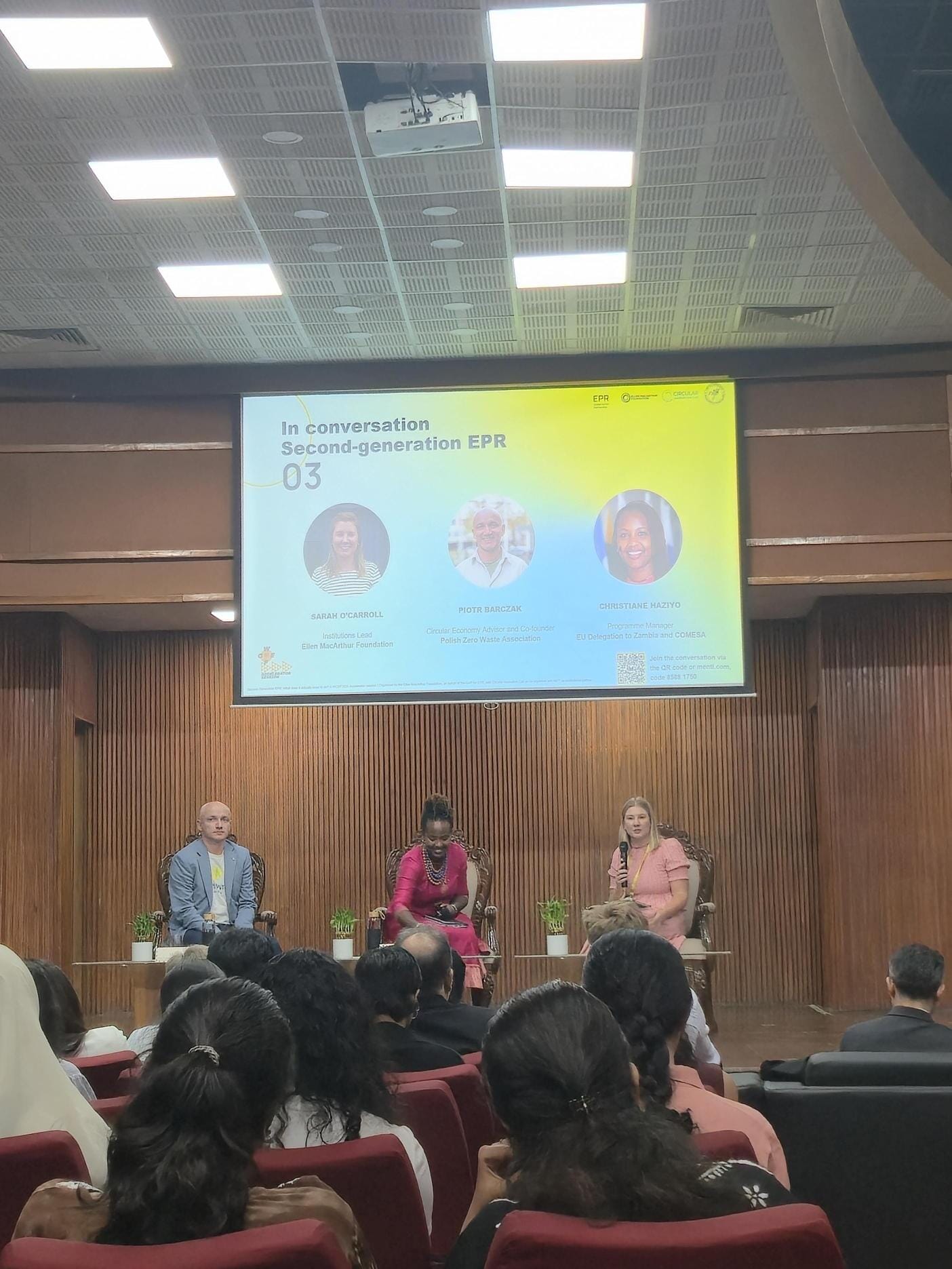
Extended Producer Responsibility (EPR) systems often need to evolve gradually from voluntary initiatives towards mandatory regulatory frameworks. There is no one-size-fits-all model – EPR systems need to reflect local economic, social and waste-management conditions, and a phased approach can help build the necessary infrastructure, capacity and stakeholder readiness while maintaining stability. Clear definition of producer responsibility is important too, including the roles of manufacturers and importers, and government, producers, consumers and other actors across the value chain need to work together for EPR systems to function effectively.
Putting circularity upstream
An important theme was the need to move EPR beyond simply financing waste collection and recycling. Moving from weight-based fees towards eco-modulated fees can create incentives for better product and material choices, and EPR should increasingly support upstream interventions such as better product design, material selection and prevention. EPR revenues could potentially be ring-fenced to support higher-value circular activities such as reuse, repair and waste prevention – shifting EPR from being primarily a mechanism for managing waste towards becoming a tool that can influence how products are designed and kept in circulation.
The cross-border challenge
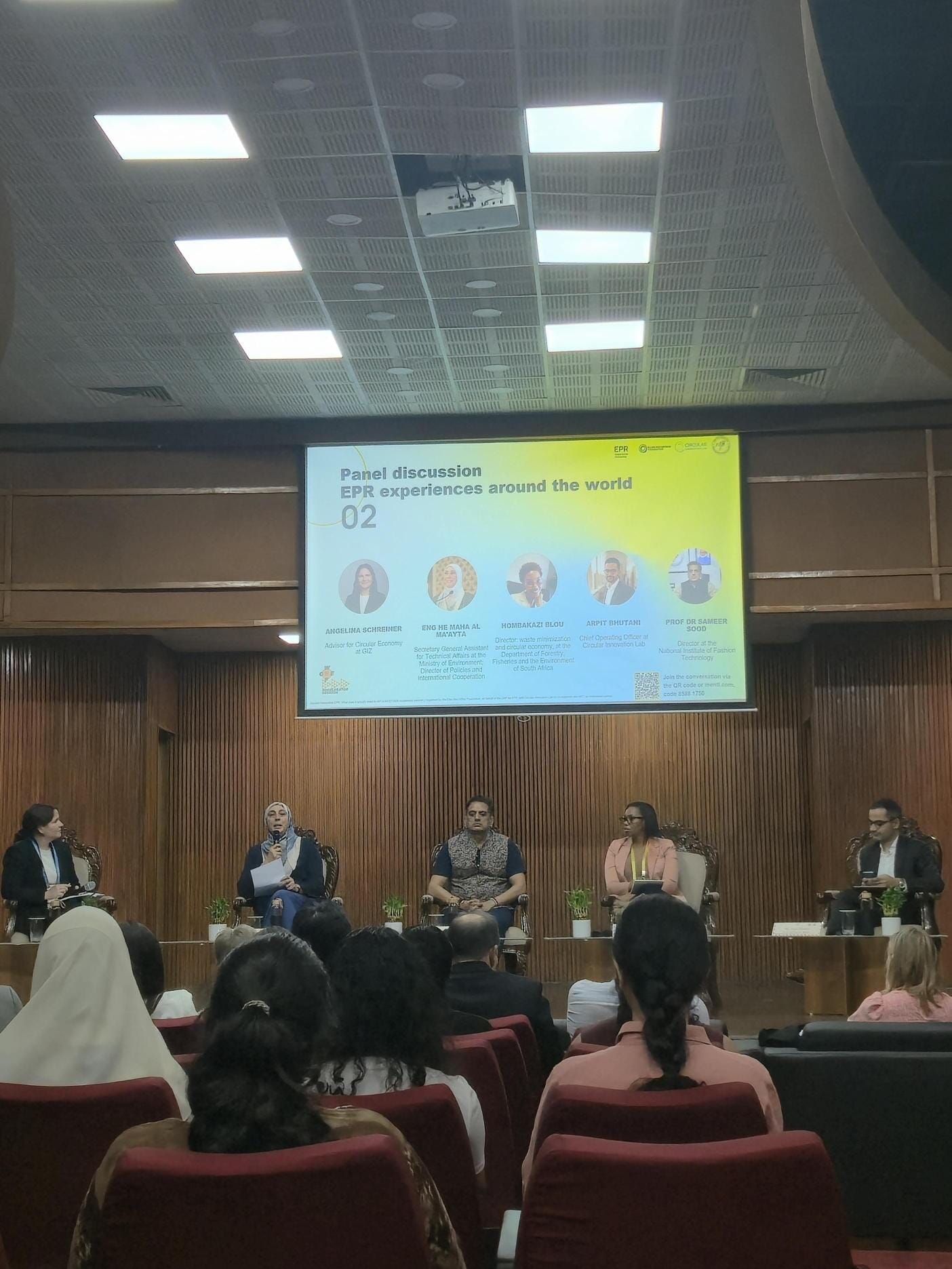
The discussion also highlighted the complexity of managing products and waste across borders. Greater harmonisation of EPR systems can help prevent waste dumping and unfair trade practices, and product flows need to be traceable so that financial responsibility can follow the product and ultimately the waste. International cooperation is increasingly important where products are placed on one market but reach end-of-life in another.
This discussion has strong relevance to TDi’s work on practical EPR implementation and to CiPPPA, the multi-stakeholder, manufacturer-funded take-back initiative for which TDi is the Project Management Office. CiPPPA provides an example of how a multi-stakeholder, manufacturer-funded take-back approach can bring industry and policymakers together to establish a practical system: its CircuBack blister-pack take-back scheme is compliant with DEFRA take-back guidance, and CiPPPA is working with policymakers to get this integrated within EPR. The WCEF discussion reinforced that developing an EPR system is only the starting point – the longer-term challenge is ensuring that it creates the right incentives and delivers measurable circular outcomes.
It also raised interesting questions for the continued evolution of take-back and EPR systems:
- How can producer responsibility move beyond financing recycling?
- How can fee structures incentivise better design?
- How can EPR support reuse, repair and prevention?
- How can systems remain effective when products and waste move across borders?
Key takeaway: The evolution of EPR is ultimately about moving from responsibility for waste towards responsibility for circular outcomes. Effective second-generation EPR will need to connect regulation, industry responsibility, consumer participation, product design, financing, infrastructure and traceability – while being adapted to the realities of different markets.
For TDi, this reinforces the importance of approaches that combine policy, industry collaboration, standards, implementation and evidence to move circular economy systems from concept to practice.
Get in touch to discuss how TDi can support your business with:
- Practical EPR design and implementation
- Multi-stakeholder, manufacturer-funded take-back systems
- Eco-modulated fee structures and upstream design incentives
- Cross-border product and waste traceability
- Policy engagement on evolving EPR frameworks
This is the final post in TDi’s WCEF2026 series – thank you for following along across all four days. Catch up on Day 1 · Day 2 · Day 3 if you missed them.
Explore TDi’s work by sector and service: Governments & Public Organisations · CiPPPA · Value Chain Development, Standards & Traceability · TDi Digital Platform